
He stood at the corner with a piece of cardboard. I don’t know where a man gets a marker when he doesn’t have a place to sleep. I don’t know where he slept the night before, or if he did. His shirt was stuck to him from the afternoon rain, which at least meant it was cooler than September usually is.
His shoulders dropped a little every time the light turned green and the line of cars pulled away. Then it turned red again and he lifted his face and worked down the row, one window at a time. I rolled mine down and handed him two dollars. He muttered a thank you. Two dollars is better than most people do, and I knew it, and it didn’t help.
Driving away I kept the questions. Didn’t he have a home? What brought him to that corner? What was his story?
Was he the younger son who couldn’t stand his father’s rules, demanded his share of the inheritance, and left without looking back? Thousands of dollars, gone in a short time, on the women and the booze and the needles.
He was too ashamed to go home, so he stayed where he was and tried to work his way out, and the work made it worse. Somewhere in there he did the math. The men who worked for his father ate better than this. Even if he couldn’t go back as a son, he could go back and ask for a job.
So he picked up everything he owned and started walking. It took days. At the top of the last hill he stopped to catch his breath and looked down at the valley where he grew up. Familiar, and never going to be what it was. He had rehearsed the speech the whole way. The job. The debt. The part about not deserving to be called a son.
He never got to give it. Somebody was running up the road toward him. An older man, well dressed, running the way men that age don’t run. The son’s first feeling was fear. Then he saw the face, and the man was crying, and smiling, and then the man had him — the wet clothes, the week without a bath, all of it — and wasn’t letting go.
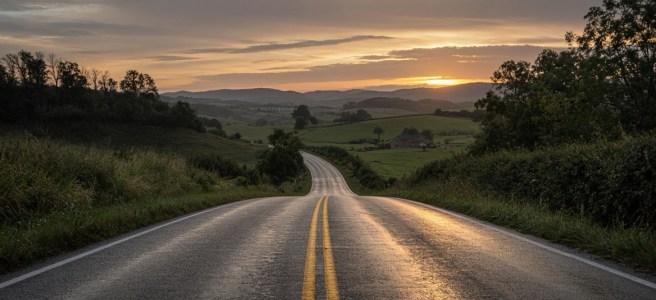
Every day since the boy left, the father had been watching that road.


