
I’ve been married long enough to know what it feels like to lose an argument I was never actually in.
More than once, I’ve assumed I knew exactly where my wife stood on something. I built my case. I argued it well, or at least I thought I did. And then she told me that wasn’t her position at all. It never had been.
I felt like an idiot. Then I had to ask her how she actually felt, which is where I should have started.
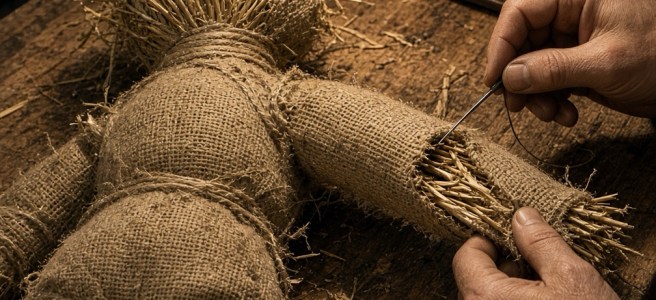
That’s a straw man. You argue against a version of someone’s view that they wouldn’t recognize as their own. And you win, every time, because you built the opponent yourself.
Most Straw Men Aren’t Lies
Mine weren’t malicious. They were honest assumptions made with incomplete information.
That’s exactly the problem. If what I want is to be right, a straw man works fine. If what I want is the truth, it’s useless, because I never engaged with what she actually thinks.
Why AI Makes It Worse
I learned this the hard way at work.
A problem kept recurring in a system I was responsible for, and I had a theory about why. I brought the theory to AI and we worked it through together. The trouble was, I didn’t have a complete picture of the system, and I hadn’t asked the people who lived in it every day what they were seeing. AI and I landed on a reasonable-sounding explanation.
So I went and talked about it like I knew what I was saying.
I didn’t. There were critical pieces I was missing, and by the end of that conversation I did not look smart.
The AI didn’t lie to me. It answered the question I asked, using the picture I gave it. An incomplete picture still gets a confident answer. Hand it a straw man and it will knock the straw man down cheerfully, and you walk away more confident and less correct.
What I Do Differently Now
I figure out what problem I’m actually trying to solve, separate from my frustration with it and my theory about it.
I describe the issue, not the other side. Instead of telling AI what I think someone else believes, I lay out the situation and ask what could be causing it.
I tell it not to agree with me just to be agreeable. It’s a standing instruction in my chats. I’d rather be corrected in private than embarrassed in public.
I ask it to argue the other side, the best version of it. Sometimes it turns up the exact thing the other person already told me. Sometimes it finds nuances they didn’t mention. Either way, I’m not missing it anymore.
The opposite of a straw man has a name: a steel man. You state the other side’s position so well they’d say, “Yes, that’s exactly what I mean.” Disagreement after that is worth something.
Why It Matters
A straw man built on incomplete information is a mistake. Mine were. The same one, rebuilt after the correction, is something else.
Once she’s told me where she actually stands, there’s nothing incomplete left to hide behind.


