
Staying hydrated is one of the most basic yet crucial aspects of maintaining optimal health and well-being. It’s not just about quenching thirst; it’s about ensuring that our bodies function as they were designed to. Water is central to all of our bodily process, and alongside it, electrolytes play a pivotal role in maintaining the balance and function of our bodies. Let’s take a few moments to look into why proper hydration and electrolyte balance are essential and how we can maintain them effectively.
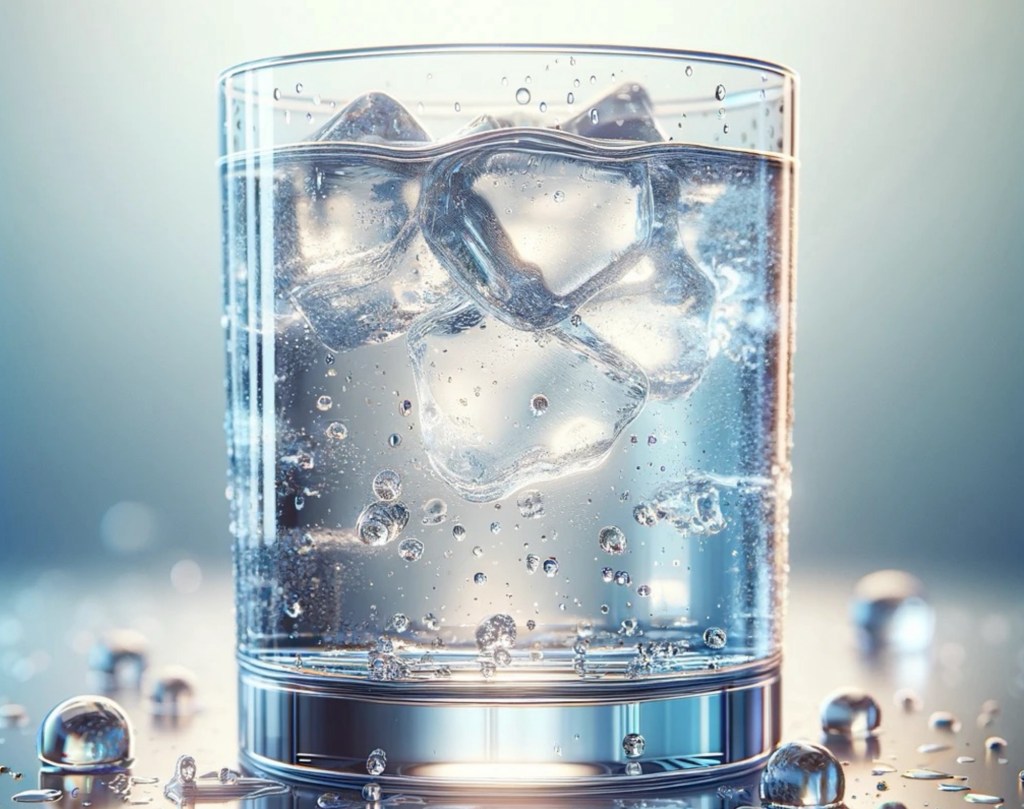
The Importance of Hydration
Hydration is not merely a matter of drinking water; it’s about ensuring that your body maintains a delicate balance of fluids. This balance is crucial for temperature regulation, joint lubrication, nutrient transportation, and waste elimination. I have seen from first hand experience that dehydration can disrupt these processes, leading to fatigue, headaches, dizziness, and more severe issues.
Interestingly, the human body can go for weeks without food but only a few days without water. This highlights the critical nature of hydration for survival and health. The amount of water will vary depending on the individual and levels of activity, but the need to be hydrated affects us all.
What About Electrolytes?
Electrolytes are minerals with an electric charge, such as sodium, potassium, chloride, calcium, and magnesium. They are pivotal in conducting nerve impulses, contracting muscles, keeping you hydrated, and regulating your body’s pH levels. When you sweat, you lose electrolytes, especially sodium and potassium, which can disrupt the delicate balance required for optimal bodily functions.
For athletes or anyone engaging in prolonged physical activity, replenishing electrolytes is as crucial as rehydrating. This ensures the continuation of peak physical performance and prevents cramping, fatigue, and dehydration. However, electrolyte balance is not only a concern for the physically active; it’s essential for everyone. Imbalances can lead to a range of health issues, from mild symptoms like muscle cramps to severe conditions such as seizures.
Finding a Proper Balance
Here are some tips to ensure you stay properly hydrated and maintain a healthy electrolyte balance:
1. Drink water throughout the day: Don’t wait until you’re thirsty. Set reminders if necessary, and aim for about 8 glasses a day, though individual needs may vary.
2. Monitor your urine: Clear or light-colored urine typically indicates proper hydration, while dark yellow suggests you need to drink more water.
3. Eat water-rich foods: Fruits and vegetables like cucumbers, oranges, and watermelons can contribute to your hydration.
4. Use electrolyte replacements wisely: For most people, a balanced diet provides all the necessary electrolytes. However, if you’re participating in prolonged or intense physical activities, especially in hot climates, consider electrolyte drinks or supplements.
5. Limit diuretics: Alcohol and caffeine can increase fluid loss. Moderating their intake can help maintain hydration.
Proper hydration and electrolyte balance are foundational to health. They support every cellular process in your body, enhance physical performance, and contribute to overall vitality. By understanding their importance and implementing strategies to maintain them, you can ensure that your body functions at its best, keeping you healthy, energized, and ready to tackle whatever comes your way.
What thoughts do you have on this? What have you found that helps you stay hydrated?
I put the above together from web searching and OpenAI. I have provided for informational purposes only. Please consult someone smarter and more qualified than me for actual health advice.

 David Willis